
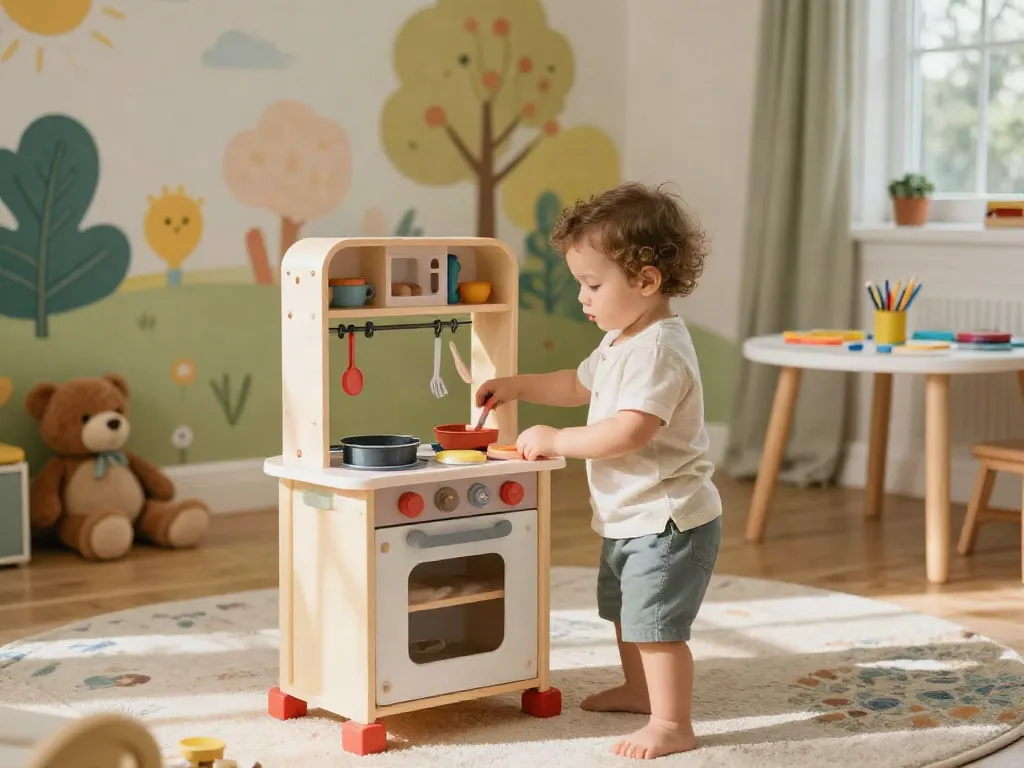
Understanding the Benefits of a Toy Kitchen
A toy kitchen is not just a simple plaything; it serves as a vital educational tool that promotes creativity, social interactions, and cognitive development in children. These miniature kitchens come in various styles and functions, allowing children to engage in imaginative play that mirrors real-life cooking experiences. When exploring options, toy kitchen sets can be a great addition to any child's play area.
What is a Toy Kitchen?
A toy kitchen is a play set designed to replicate the features of a real kitchen. These sets often include miniature appliances such as ovens, microwaves, fridges, and sinks, along with utensils, cookware, and pretend food. The designs can vary from simple wooden structures to elaborate setups that mimic high-tech kitchens, complete with lights and sounds.
Cognitive Development through Role Play
Role play is a crucial aspect of childhood development. Engaging with a toy kitchen allows children to explore different scenarios and roles, enhancing their problem-solving skills and cognitive abilities. By pretending to cook, serve, and clean, they practice basic concepts of mathematics, such as measuring ingredients and understanding quantities, while also developing language skills as they narrate their play.
Social Skills and Cooperative Play
Toy kitchens often encourage cooperative play among children. When multiple kids gather around a play kitchen, they learn to share, communicate, and negotiate roles. This collaborative environment fosters social skills that are vital for their overall development and prepares them for future teamwork situations in school and life.
Choosing the Right Toy Kitchen for Your Child
With numerous options available in the market, selecting the perfect toy kitchen for your child can be a daunting task. Consider factors such as age appropriateness, materials, and safety features to ensure you make an informed choice.
Factors to Consider When Purchasing a Toy Kitchen
- Age: Consider the child's age and developmental stage. Younger children may benefit from simpler designs, while older kids might enjoy more complex setups.
- Space: Evaluate the space available at home. Ensure the kitchen fits comfortably in the designated area without overcrowding.
- Features: Look for sets that include interactive elements like lights and sounds, which can enhance the play experience.
Comparing Materials: Wood vs. Plastic
When it comes to materials, toy kitchens are generally made from wood or plastic. Wooden kitchens often offer durability and aesthetic appeal, adding a classic look to playrooms. They are typically sturdier, ensuring they can withstand rigorous play. On the other hand, plastic kitchens can be lightweight, easier to clean, and more vibrant, appealing to younger children. Consider your child’s preferences and the intended longevity when choosing between the two.
Safety Features and Age Appropriateness
Safety should always be a top priority when selecting a toy kitchen. Look for options with rounded edges, non-toxic finishes, and stable structures to prevent tipping. Additionally, check the manufacturer's age recommendations to ensure that the chosen kitchen is suitable for your child's age group, preventing small parts from posing a choking hazard.
Maximising Playtime with a Toy Kitchen
Once you have selected the right toy kitchen, it’s essential to think about how to maximise playtime. Encouraging creativity and learning during play can greatly enhance the benefits derived from these sets.
Creative Cooking Scenarios for Imaginative Play
Children thrive in scenarios that allow them to explore their creativity. Set up themed cooking nights, such as Italian night or breakfast for dinner, where children can role-play as chefs or restaurant owners. Providing costumes or props can add an extra layer of excitement, allowing them to fully immerse themselves in the experience.
Incorporating Learning into Play Activities
Educational opportunities abound with a toy kitchen. Encourage your child to follow recipes you create together, introducing concepts of measurement and sequencing. Discuss the nutritional value of the pretend food items and engage in conversations about healthy eating habits as they serve their culinary creations.
Engaging Playdates: Tips for Group Activities
Organising playdates around the toy kitchen can create memorable experiences for your child and their friends. Consider setting up cooking challenges, where kids can make their own dishes or compete to create the best meal. Such activities promote teamwork, creativity, and problem-solving as they work together to achieve a common goal.
Maintenance and Care for Your Toy Kitchen
To ensure your child's toy kitchen remains in great condition for years of enjoyment, proper maintenance is essential. Regular cleaning and care can prolong the life of the set and keep it safe for play.
Cleaning and Sanitising Playsets
Regular cleaning of toy kitchens is vital, especially if they include food items. Use mild soap and water to wipe down surfaces, being careful not to saturate any electronic parts in wooden kitchens. For plastic sets, consider using disinfectant wipes to keep everything sanitary, particularly during cold and flu season.
Repairing Common Issues with Toy Kitchens
Over time, play kitchens may experience wear and tear. Common issues include loose screws or broken parts. Keep a small toolbox handy for quick repairs, ensuring that play continues without interruption. In the case of significant damage, check if parts are replaceable through the manufacturer.
Ensuring Long-lasting Enjoyment
Encourage your child to respect their toy kitchen by teaching them how to play gently and store items properly. Designate a specific area for all accessories and utensils, promoting responsibility and making it easier for them to maintain their play space.
The Future of Toy Kitchens in 2026
As we look towards 2026, it is clear that toy kitchens will continue to evolve, integrating new technologies and trends to enhance play experiences for children.
Innovations in Toy Kitchen Designs
Future toy kitchens are likely to feature smart technology, allowing for interactive play experiences that respond to children's actions. Imagine a toy kitchen that can provide voice prompts for recipes or even simulate cooking sounds when ingredients are "cooked." These innovations will blur the lines between digital and physical play, keeping children engaged.
Trends in Eco-friendly and Sustainable Toys
With a growing emphasis on sustainability, future toy kitchens will increasingly be made from eco-friendly materials. Manufacturers are likely to focus on renewable resources and non-toxic finishes, catering to environmentally-conscious parents. Expect to see a rise in products that are both fun and align with eco-friendly values.
Expert Predictions for Toy Kitchen Developments
Experts predict that the toy kitchen market will expand to include more inclusive designs, catering to all genders and various play styles. Kitchens that promote themes of diversity and cultural cuisine may become prevalent, reflecting a globalised view of cooking and food. This approach can foster an early appreciation of different cultures and culinary practices.
FAQs
What age is appropriate for a toy kitchen?
Generally, toy kitchens are suitable for children aged 2 and up, with designs tailored for various developmental stages.
How can a toy kitchen promote learning?
Toy kitchens encourage role play, which enhances cognitive skills, social interactions, and early math concepts through cooking and serving scenarios.
What safety features should I look for?
Look for kitchens with rounded edges, non-toxic materials, and no small parts that can pose choking hazards.
Are wooden toy kitchens better than plastic ones?
Wooden kitchens offer durability and a classic aesthetic, while plastic options can be lightweight and vibrant. The choice depends on your child's needs and preferences.
How to organise a play kitchen area?
Designate specific areas for your child's cooking utensils and food items. Encourage them to clean up after play and store items properly to maintain an organised space.