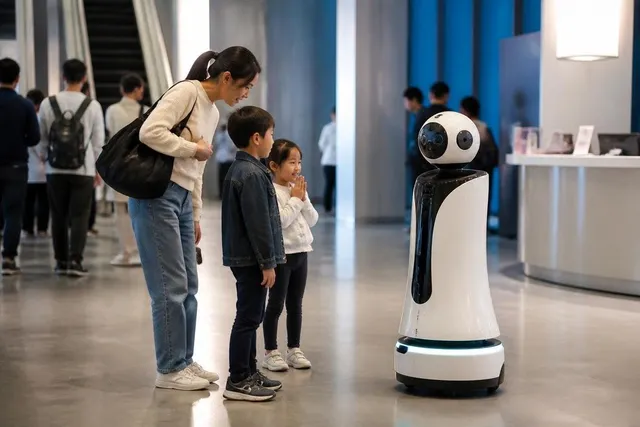
Understanding AI Assistants
In the rapidly evolving landscape of technology, AI assistants have emerged as vital tools that integrate seamlessly into both personal and professional spheres. These digital helpers are transforming the way we manage our daily tasks, enhance communication, and streamline various operations. With the continuous advancements in artificial intelligence, the capabilities of these assistants are expanding, leading to improved productivity and efficiency. As we delve deeper into the workings and benefits of AI assistants, it's essential to grasp their fundamental roles, challenges, and emerging trends in 2026. For comprehensive insights into the current offerings, the AI assistant landscape provides a wealth of information that can guide users in choosing the right tools for their needs.
What is an AI Assistant?
An AI assistant is a software application that utilizes artificial intelligence technologies to perform tasks, provide information, and assist users in various activities. These assistants can understand natural language, recognize voice commands, and learn from user interactions, enabling them to improve their effectiveness over time. From scheduling appointments to managing email, AI assistants are designed to alleviate mundane tasks and enhance user productivity.
How AI Assistants Enhance Productivity
AI assistants significantly boost productivity by automating repetitive tasks, facilitating communication, and providing quick access to information. They help users manage schedules, set reminders, and even perform complex data analyses without requiring manual input. Furthermore, by allowing people to focus on higher-level strategic activities, AI assistants free up valuable time and resources.
- Task Automation: Automating scheduling, reminders, and follow-ups reduces the workload on users.
- Information Retrieval: AI assistants can quickly provide relevant information, saving users time in searching.
- Enhanced Communication: They help manage communication channels, ensuring that important messages aren't overlooked.
Common Challenges with AI Assistant Integration
Despite the advantages offered by AI assistants, integrating these technologies is not without challenges. Users often encounter issues related to data privacy, system compatibility, and user resistance to new technologies. Additionally, it’s crucial for organizations to invest in training and support to ensure effective implementation.
- Data Privacy: Safeguarding sensitive information is a major concern when using AI assistants.
- Compatibility Issues: Ensuring that the AI assistant aligns with existing systems can be complex.
- User Resistance: Employees may be hesitant to adopt new technologies that change their established workflows.
Top AI Assistant Tools for 2026
As we look ahead to 2026, several AI assistant tools stand out for their innovative features and user-friendly interfaces. These tools cater to a wide range of needs, from personal tasks to comprehensive business solutions, making them essential for maximizing efficiency in various environments.
Best Options for Personal Use
For individual users, AI assistants like Siri, Google Assistant, and Amazon Alexa offer intuitive interfaces and robust capabilities. These tools can help users manage their day-to-day tasks effectively by providing personalized recommendations, reminders, and voice-activated controls.
- Siri: Integrated with Apple's ecosystem, it provides seamless access to information and device control.
- Google Assistant: Renowned for its powerful search capabilities, it excels in providing quick answers and managing tasks.
- Amazon Alexa: Known for home automation features, it connects to various smart devices, enhancing everyday convenience.
AI Assistants in Professional Environments
In the workplace, AI assistants like Microsoft Cortana, IBM Watson Assistant, and Zoho Zia are making significant strides. These tools not only facilitate task management but also analyze data and provide insights that can guide decision-making processes.
- Microsoft Cortana: A versatile tool that integrates with office applications, enhancing workflow and collaboration.
- IBM Watson Assistant: Known for its intelligent data processing capabilities, it assists in complex analytics and customer service.
- Zoho Zia: This assistant leverages machine learning to offer personalized recommendations for business applications.
Comparative Analysis of Leading Platforms
When selecting an AI assistant, organizations must consider various factors, including capabilities, integration options, and user-friendliness. A comparative analysis of leading platforms reveals significant differences in their functionality and target audiences.
AssistantBest ForKey FeaturesSiriPersonal UseVoice commands, seamless Apple integrationGoogle AssistantInformation RetrievalPowerful search capabilities, multi-device supportMicrosoft CortanaWorkplace IntegrationOffice app compatibility, task management
Implementing AI Assistants Effectively
To harness the full potential of AI assistants, users and organizations must implement them thoughtfully. This involves careful planning, effective training, and continuous evaluation of their performance and utility.
Setting Up Your AI Assistant
Setting up an AI assistant is often straightforward, but it requires attention to detail. Users should ensure compatibility with existing systems, customize settings according to personal preferences, and connect the assistant to relevant applications for optimal performance.
- Compatibility Check: Verify that the assistant works with your devices and software.
- Customization: Tailor settings to suit your specific needs and preferences.
- Integration: Connect the assistant to productivity apps for enhanced functionality.
Best Practices for Daily Use
To maximize the effectiveness of AI assistants, users should adopt best practices such as regularly updating the assistant's settings, utilizing voice commands for quick responses, and leveraging integration with other tools.
- Regular Updates: Keep the assistant up-to-date to ensure access to the latest features.
- Voice Commands: Use voice-enabled features to streamline tasks and enhance workflow efficiency.
- Utilize Integrations: Always connect the assistant to tools you use daily for cohesive operation.
Common Mistakes to Avoid
While using AI assistants, many users inadvertently make mistakes that diminish their effectiveness. Common pitfalls include neglecting regular updates, over-relying on the assistant for critical decisions, and failing to customize settings properly.
- Neglecting Updates: Skipping updates can lead to missed features and security vulnerabilities.
- Over-Reliance: Depending solely on the assistant for decision-making can be risky.
- Ignoring Custom Settings: Failing to customize may lead to a less efficient user experience.
Future Trends in AI Assistance
The future of AI assistants is brimming with potential as emerging technologies continue to shape their development and functionality. Innovations in machine learning and natural language processing are expected to pave the way for more intuitive and capable assistants in the coming years.
Emerging Technologies Impacting AI Assistants
Technologies such as advanced machine learning algorithms and improved voice recognition software are set to enhance the performance of AI assistants. These innovations will allow assistants to better understand context, manage complex queries, and learn from user interactions, resulting in a more personalized experience.
Expected Developments in AI Functions
As AI capabilities advance, we can expect AI assistants to adopt new functions that go beyond basic task management. Future developments may include enhanced predictive analytics, emotion recognition, and even deeper integrations with smart home devices.
How Businesses Can Prepare for Changes
To stay ahead in leveraging AI assistants effectively, businesses need to invest in ongoing training, encourage adaptive thinking among teams, and continuously assess their systems to incorporate new features and technologies as they emerge.
- Invest in Training: Regular training sessions will keep teams updated on new functionalities.
- Encourage Adaptation: Foster a culture that welcomes technological advancements.
- Continuous Assessment: Regularly evaluate how well AI assistants are meeting business needs and adjust strategies accordingly.
Frequently Asked Questions
What is the best AI assistant for personal tasks?
Choosing the best AI assistant for personal tasks often depends on the user's specific preferences and ecosystem. For Apple users, Siri is an excellent choice, while Google Assistant excels in information retrieval and compatibility with a range of devices.
Are AI assistants secure for confidential information?
Security varies by platform, but generally, most AI assistants employ encryption and other security measures. However, users should regularly review privacy settings and be cautious about sharing sensitive data.
How do I choose an AI assistant for my business?
When selecting an AI assistant for business, consider factors such as integration capabilities, user-friendliness, and specific functionalities required for your business processes. Conducting trials can help assess which assistant best meets your needs.
Can AI assistants integrate with other software?
Yes, many AI assistants are designed to integrate with popular software applications and tools, enhancing their usability and ensuring a seamless workflow across platforms.
What are the limitations of current AI assistants?
Limitations include challenges in understanding context, reliance on user input for learning, and potential security concerns. Users should also be aware that AI assistants may not fully grasp nuanced human interactions.